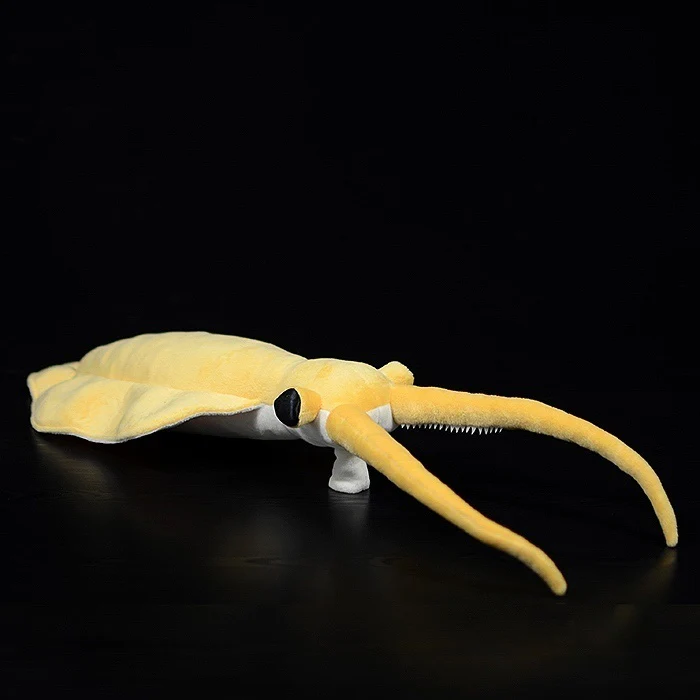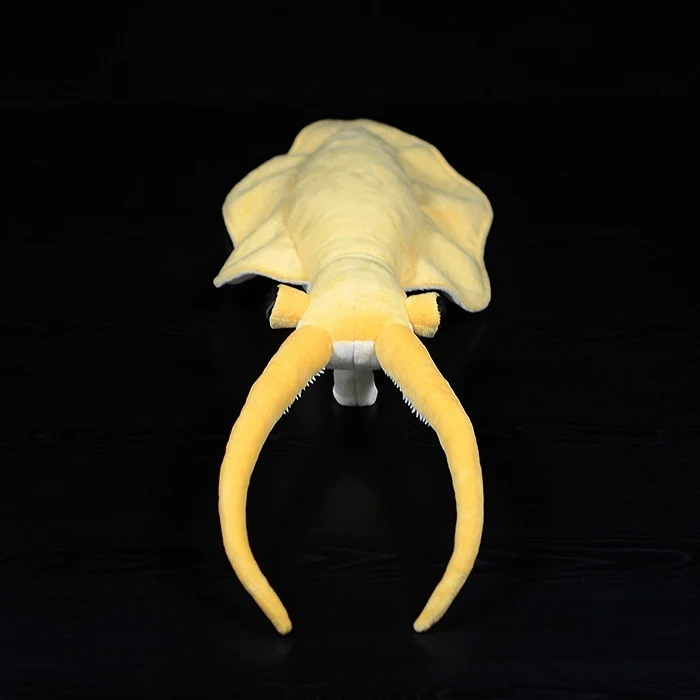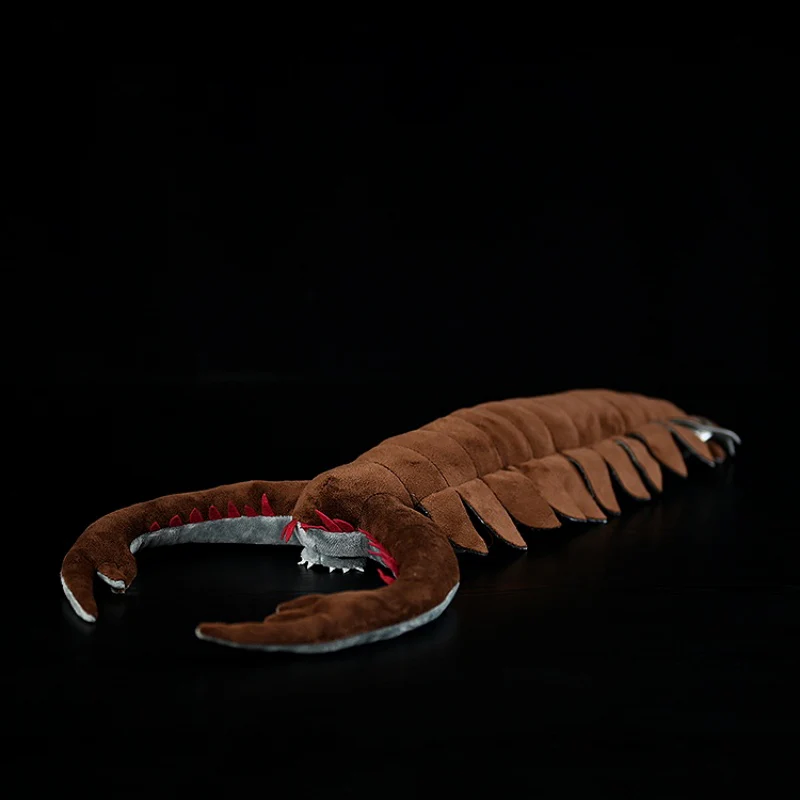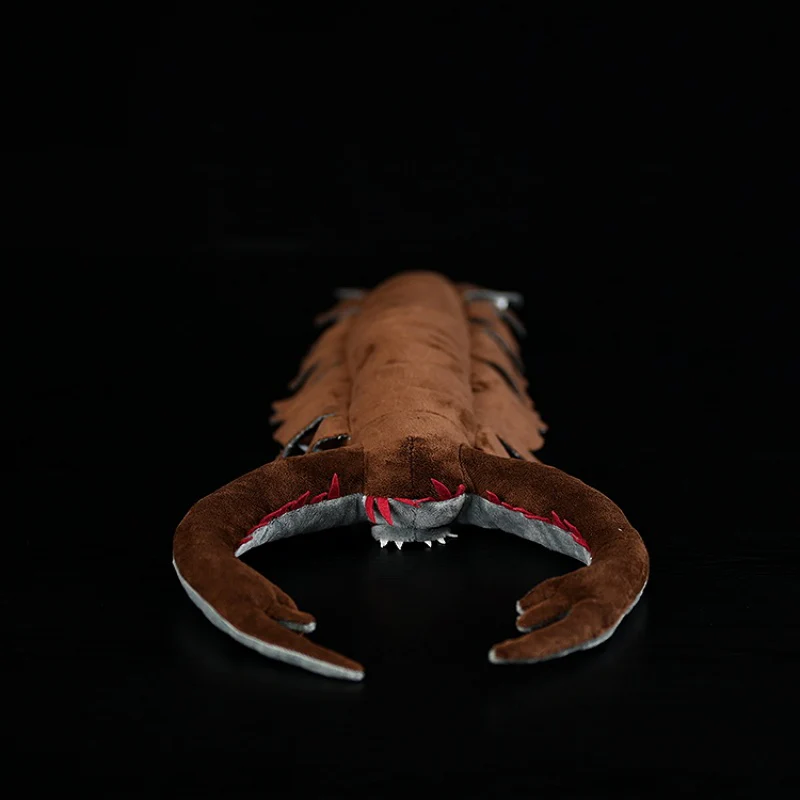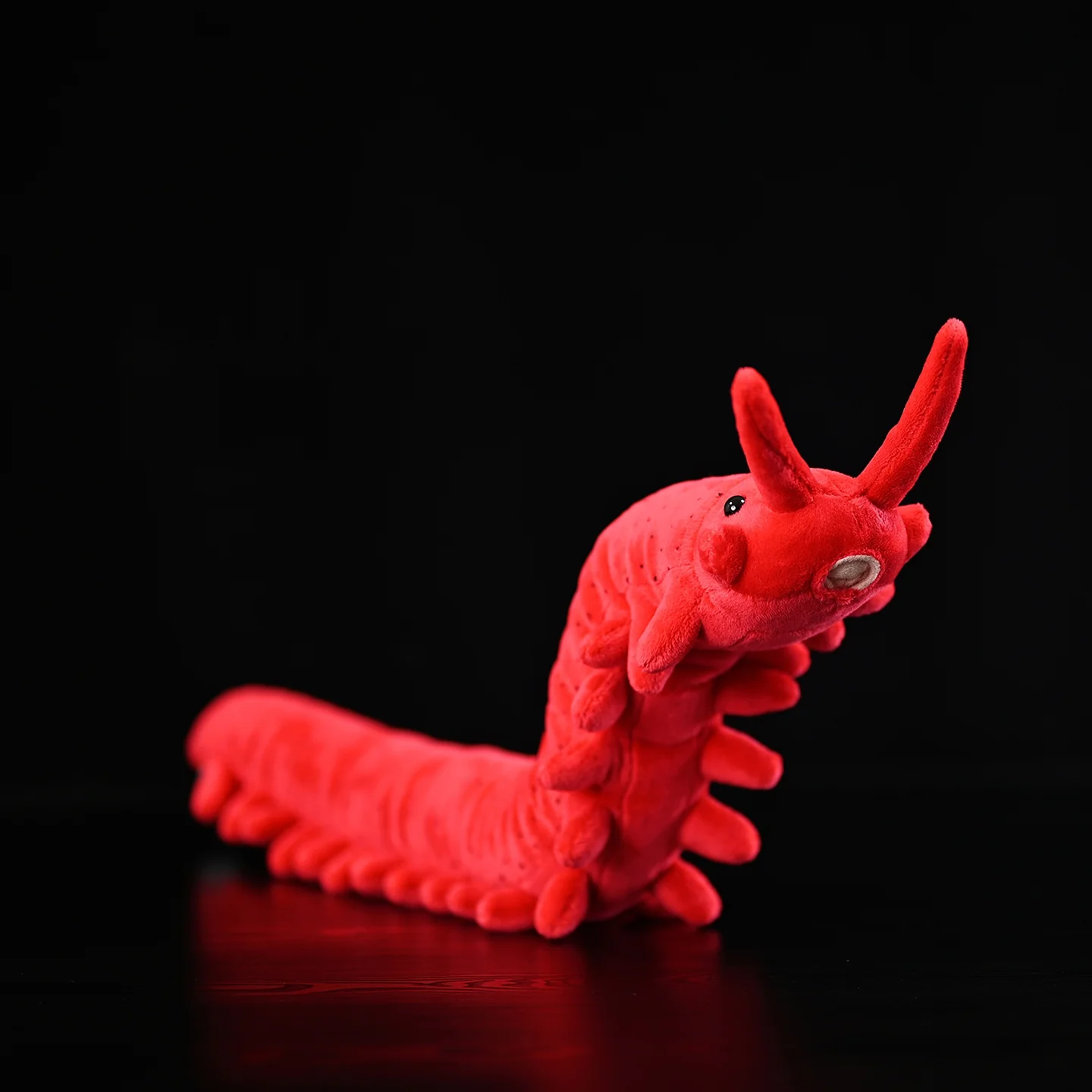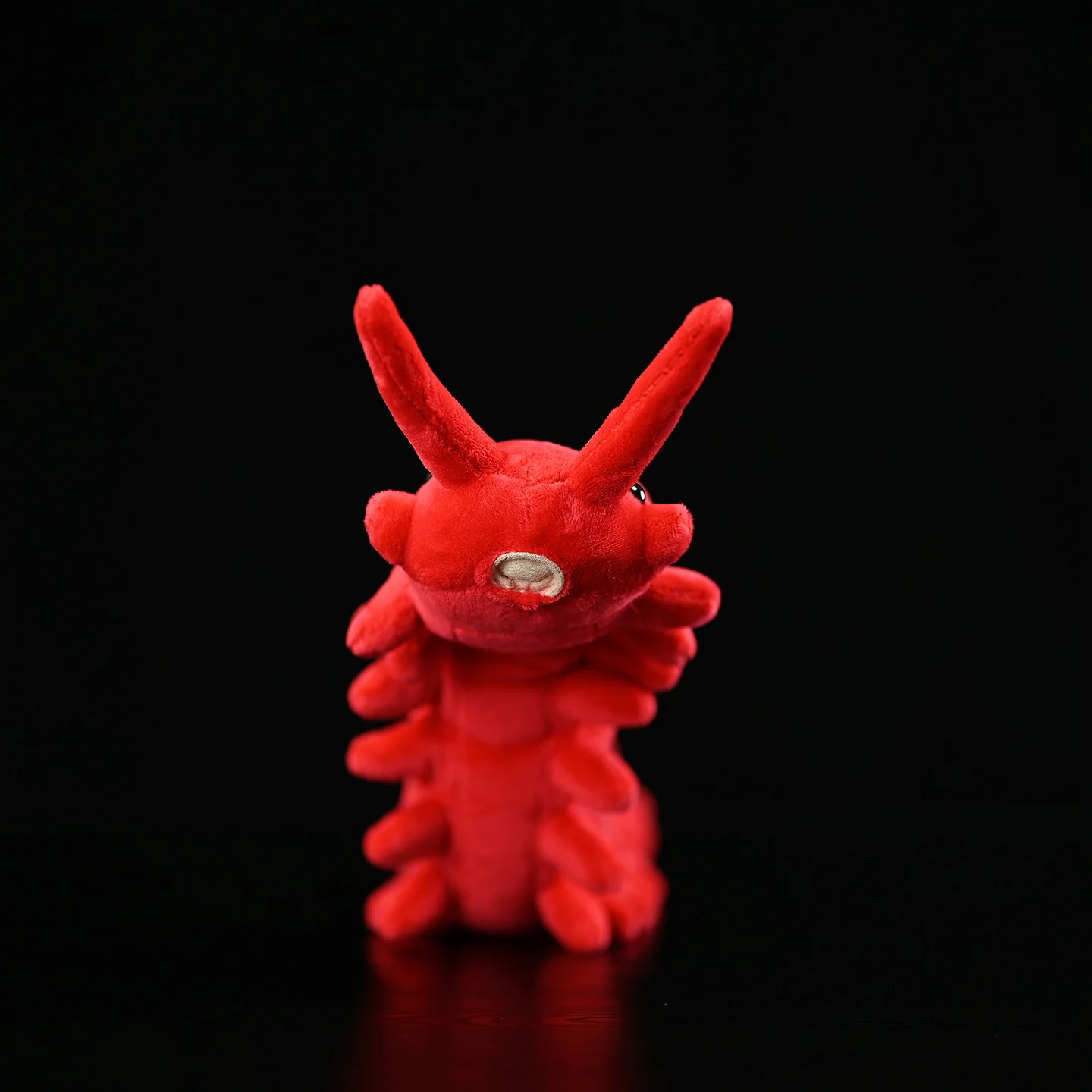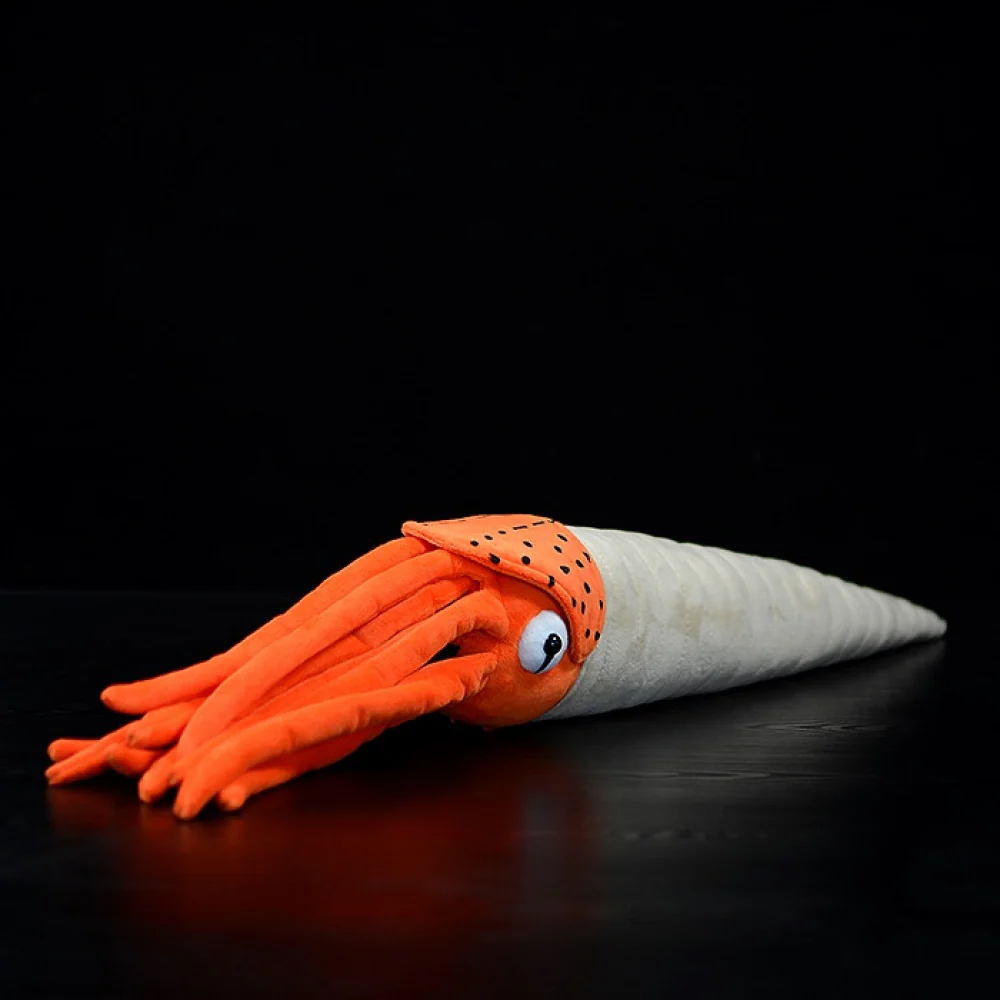
Orthoceras Plush Toy – Realistic Prehistoric Nautiloid Stuffed Animal
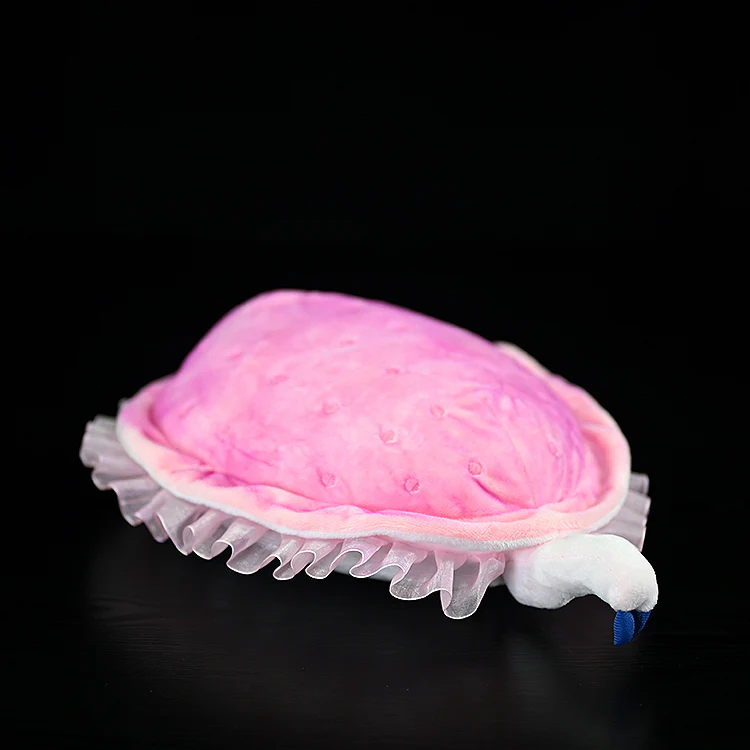
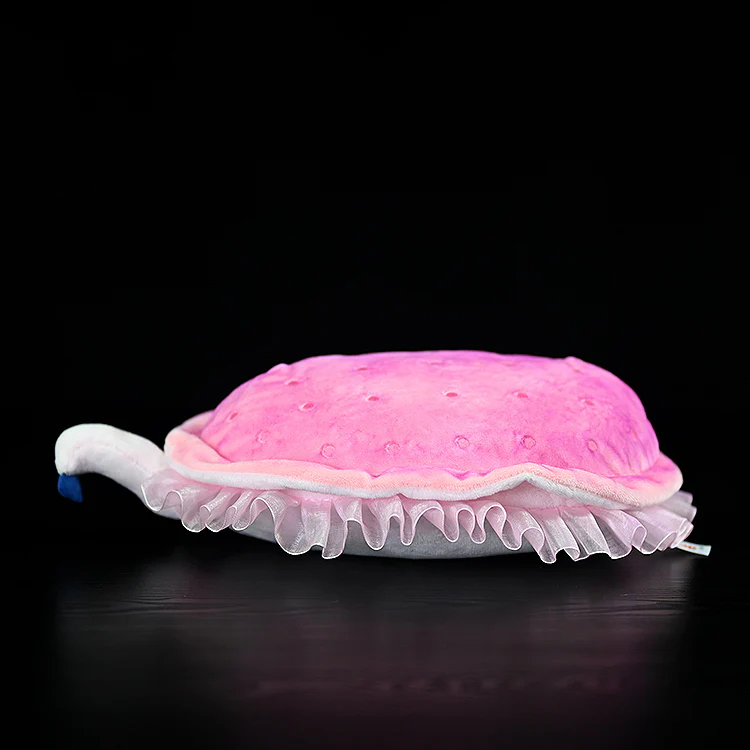
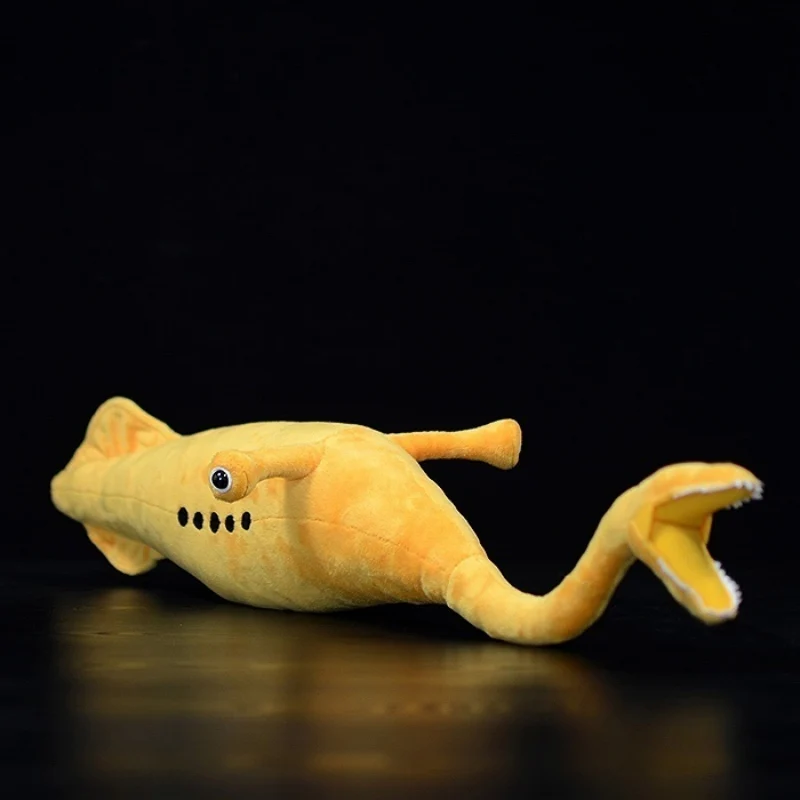
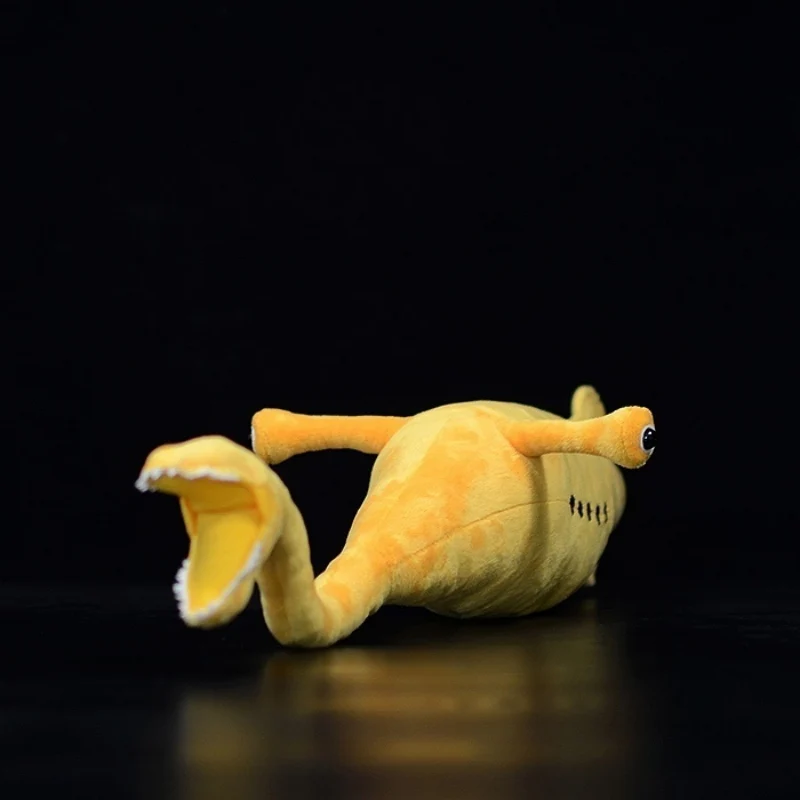
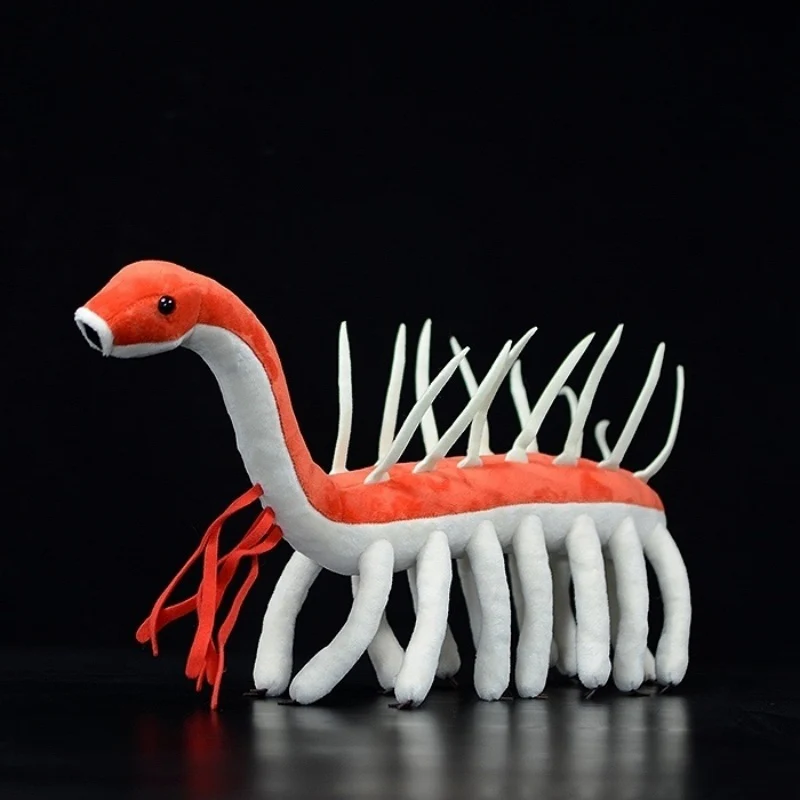
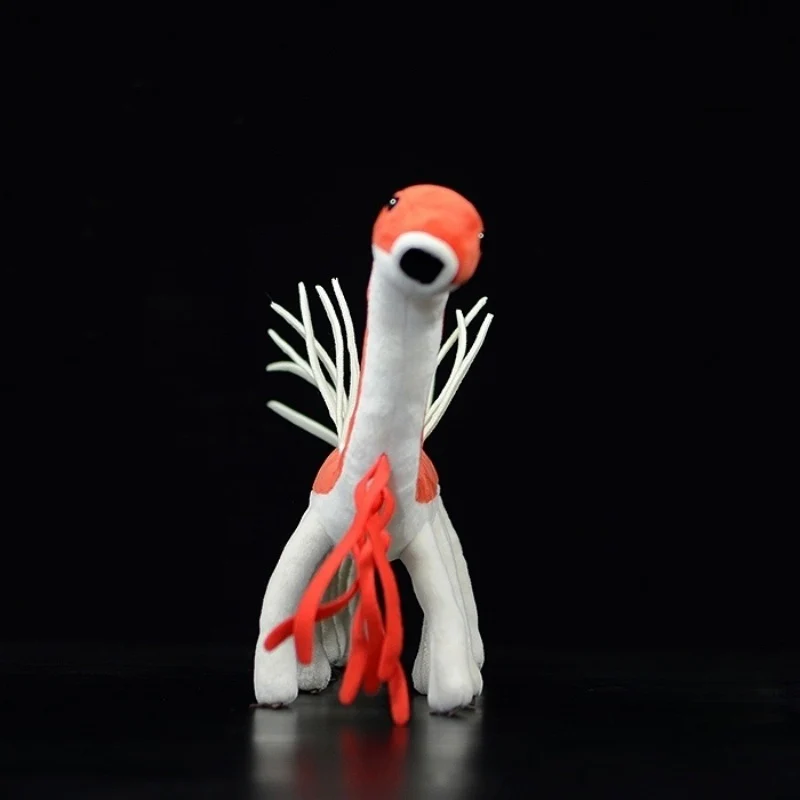
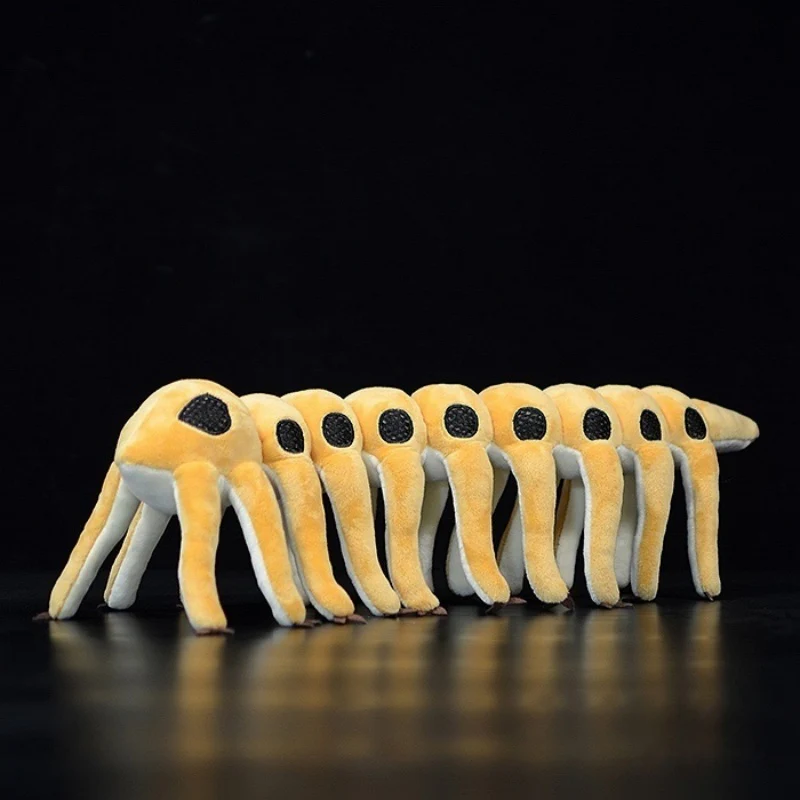
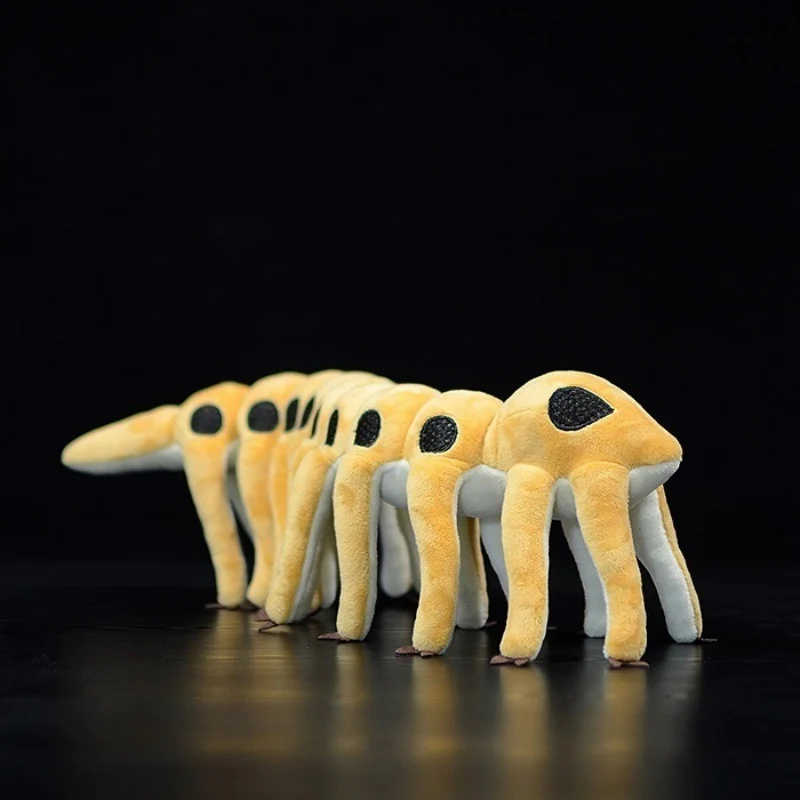
Bring ancient oceans to life with this Orthoceras plush toy by SoftDaysLab! Featuring a soft, cone-shaped shell, vibrant orange tentacles, and lifelike details, this stuffed animal is perfect for fossil lovers, ocean enthusiasts, and collectors of unique prehistoric creatures. Cuddly and educational, it’s a fun way to explore the wonders of Earth’s ancient seas. A must-have for kids and adults who love marine history!
Animal Facts:
Orthoceras: The Ancient Straight-Shelled Cephalopod
Orthoceras, meaning "straight horn" in Greek, was a fascinating marine cephalopod that roamed the oceans approximately 470 million years ago during the Middle Ordovician period. These creatures are ancestors of modern squids and nautiluses, featuring long, conical shells that provided both protection and buoyancy.
Found primarily in Sweden and the Baltic States, Orthoceras fossils are often polished into beautiful decorative pieces due to their intricate natural patterns. Here's a fun fact: their tube-like shells contained a siphuncle, a remarkable internal structure that helped them regulate buoyancy, allowing them to float or dive with ease in the ocean.
Orthoceras is also a favorite of fossil collectors and rock shops, but it's often confused with Baculites, a similar-looking cephalopod that lived much later, during the Late Cretaceous period. You can tell them apart by looking at the suture lines—Orthoceras had simple ones, while Baculites' were much more complex.
Interestingly, Orthoceras fossils are also thought to be good luck symbols in some cultures, representing longevity and protection. From fossils to décor, this "straight horn" continues to captivate our imagination as a window into Earth's ancient oceans.
Bring ancient oceans to life with this Orthoceras plush toy by SoftDaysLab! Featuring a soft, cone-shaped shell, vibrant orange tentacles, and lifelike details, this stuffed animal is perfect for fossil lovers, ocean enthusiasts, and collectors of unique prehistoric creatures. Cuddly and educational, it’s a fun way to explore the wonders of Earth’s ancient seas. A must-have for kids and adults who love marine history!
Animal Facts:
Orthoceras: The Ancient Straight-Shelled Cephalopod
Orthoceras, meaning "straight horn" in Greek, was a fascinating marine cephalopod that roamed the oceans approximately 470 million years ago during the Middle Ordovician period. These creatures are ancestors of modern squids and nautiluses, featuring long, conical shells that provided both protection and buoyancy.
Found primarily in Sweden and the Baltic States, Orthoceras fossils are often polished into beautiful decorative pieces due to their intricate natural patterns. Here's a fun fact: their tube-like shells contained a siphuncle, a remarkable internal structure that helped them regulate buoyancy, allowing them to float or dive with ease in the ocean.
Orthoceras is also a favorite of fossil collectors and rock shops, but it's often confused with Baculites, a similar-looking cephalopod that lived much later, during the Late Cretaceous period. You can tell them apart by looking at the suture lines—Orthoceras had simple ones, while Baculites' were much more complex.
Interestingly, Orthoceras fossils are also thought to be good luck symbols in some cultures, representing longevity and protection. From fossils to décor, this "straight horn" continues to captivate our imagination as a window into Earth's ancient oceans.
Description
Bring ancient oceans to life with this Orthoceras plush toy by SoftDaysLab! Featuring a soft, cone-shaped shell, vibrant orange tentacles, and lifelike details, this stuffed animal is perfect for fossil lovers, ocean enthusiasts, and collectors of unique prehistoric creatures. Cuddly and educational, it’s a fun way to explore the wonders of Earth’s ancient seas. A must-have for kids and adults who love marine history!
Animal Facts:
Orthoceras: The Ancient Straight-Shelled Cephalopod
Orthoceras, meaning "straight horn" in Greek, was a fascinating marine cephalopod that roamed the oceans approximately 470 million years ago during the Middle Ordovician period. These creatures are ancestors of modern squids and nautiluses, featuring long, conical shells that provided both protection and buoyancy.
Found primarily in Sweden and the Baltic States, Orthoceras fossils are often polished into beautiful decorative pieces due to their intricate natural patterns. Here's a fun fact: their tube-like shells contained a siphuncle, a remarkable internal structure that helped them regulate buoyancy, allowing them to float or dive with ease in the ocean.
Orthoceras is also a favorite of fossil collectors and rock shops, but it's often confused with Baculites, a similar-looking cephalopod that lived much later, during the Late Cretaceous period. You can tell them apart by looking at the suture lines—Orthoceras had simple ones, while Baculites' were much more complex.
Interestingly, Orthoceras fossils are also thought to be good luck symbols in some cultures, representing longevity and protection. From fossils to décor, this "straight horn" continues to captivate our imagination as a window into Earth's ancient oceans.